

Energy Storage: Key to the Energy Transition
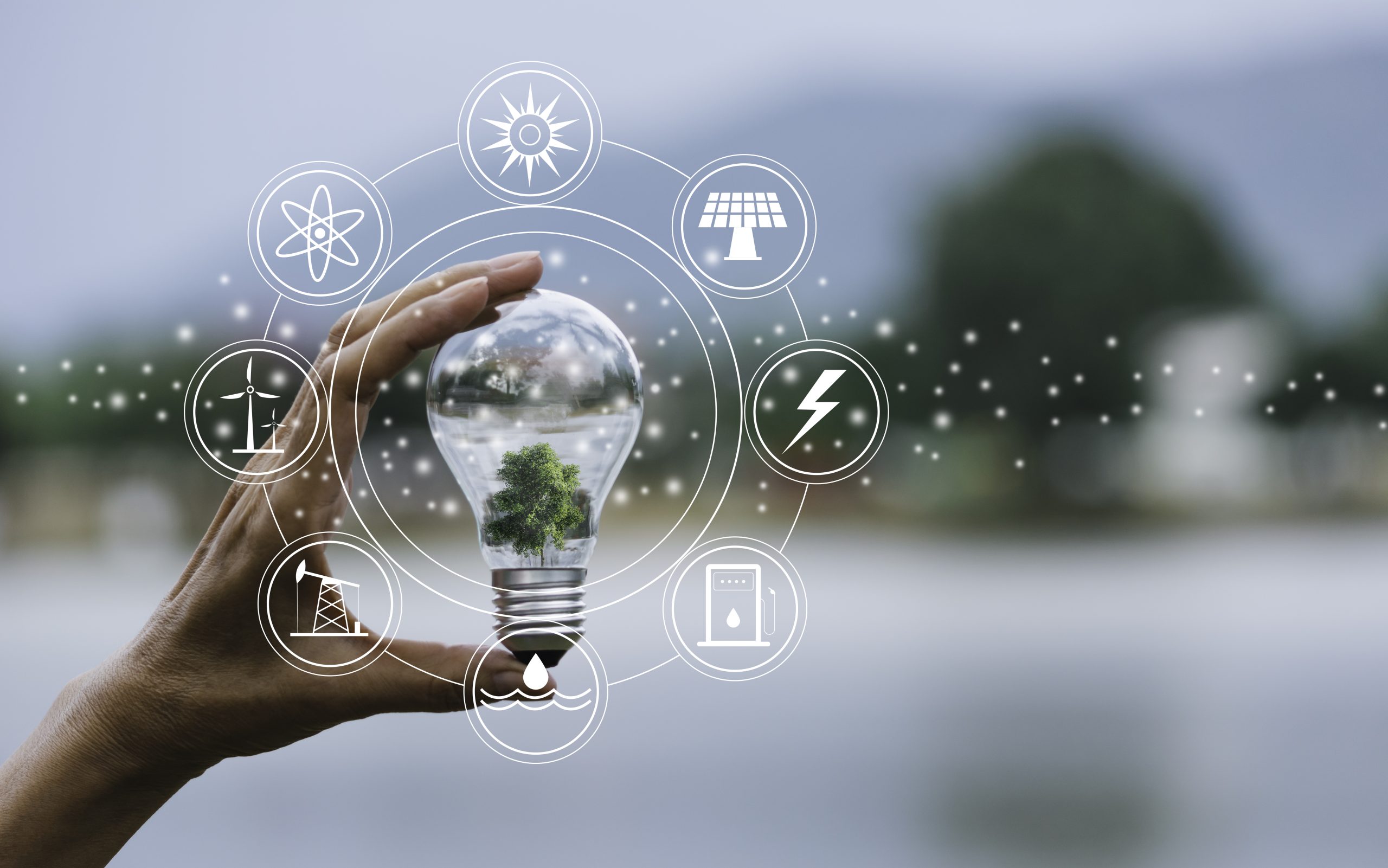
The commitment to sustainability involves, among other things, the challenge of the energy transition toward an electricity system based on renewable sources. Europe has been leading this transition for many years, and in Spain we can say that we are at the forefront. Time has proven us right—not only as a measure to mitigate climate change, but also for geostrategic reasons, since the war between Russia and Ukraine has revealed the vulnerability that comes with energy dependence on other countries, in this case, Russian natural gas.
Spain’s current energy mix combines nuclear power plants with renewable electricity generation—wind, solar photovoltaic, and hydro—along with natural gas plants, since coal-fired power plants have already been closed. Our electrical system is prepared to guarantee supply stability and security under these conditions.
Wind and solar plants generate electricity only when their respective natural resources are available—wind and sunlight—which does not necessarily coincide with system demand. In this sense, they are considered non-dispatchable. Therefore, as the share of renewables in the energy mix increases, balancing generation with demand becomes more complex.
The key to enabling greater penetration of renewables in the electricity system lies in the development of energy storage. It is essential to store renewable energy during the hours of surplus and make it available to the system at times of higher demand.
Since 2019, Magtel has been developing the BlueStorage project, which consists of a distributed storage system based on Reversible Hydropower Plants. These facilities, also known as pumped-storage plants, pump water from a lower reservoir—using surplus renewable energy—into an upper reservoir, where it is stored until needed. When demand rises, the stored water is released back to the lower reservoir through turbines, generating electricity. This allows large amounts of energy to be shifted from midday surplus hours to evening and nighttime, when demand is higher.
In addition to providing the dispatchability that renewables lack, pumped storage also contributes stability and security to the electricity system. Thanks to their design, these plants offer synchronous inertia—large rotating masses (pumps and generators) capable of absorbing voltage and frequency variations on the grid.
Moreover, beyond preventing blackouts by stabilizing the grid, they also act as a backup in case of outages. By taking advantage of the stored water in the upper reservoir, they can restart from zero and supply not only energy but also the voltage and frequency required for other generation plants to resume operation.
As mentioned at the beginning, the energy transition is a challenge—especially for the electricity system—since the penetration of renewables must go hand in hand with the development of energy storage that ensures their dispatchability, guaranteeing at all times the stability and security of supply.

Innovation Transforms Knowledge into Useful and Transferable Solutions


The Predictive Revolution: A Strategic Opportunity for Andalusian Industry


