

FIC-Fighters, Magtel and Tharsis Mining’s R&D&I initiative for phosphogypsum recovery in Europe, reaches the halfway point of its development
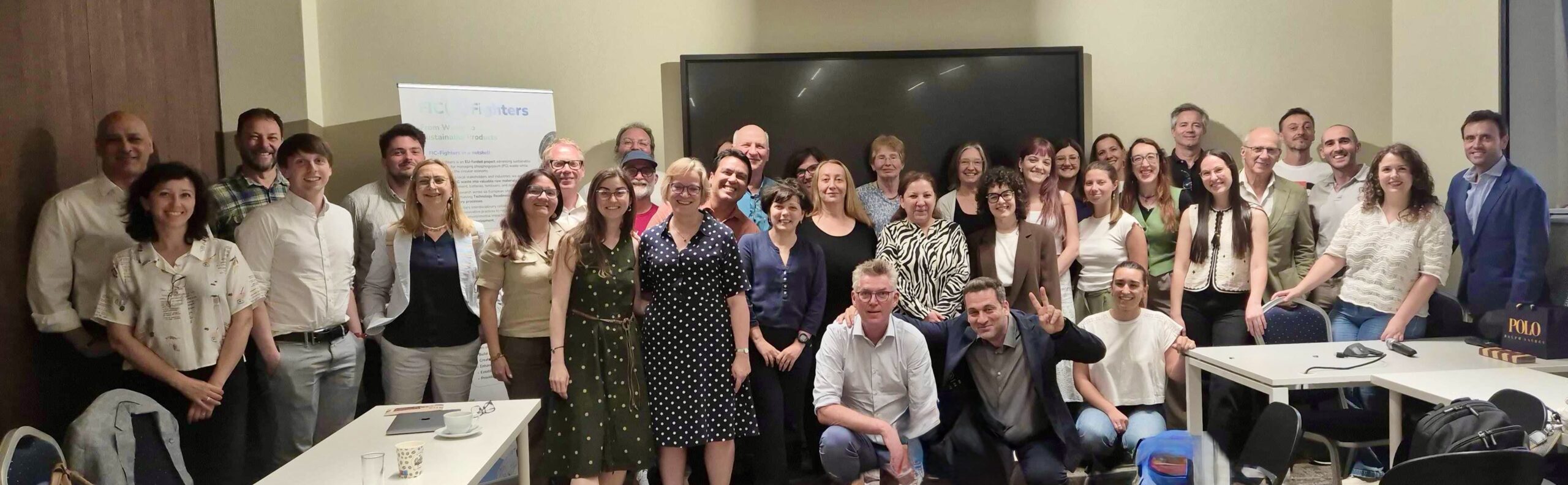
The European project FIC-Fighters, funded by the European Union, is making significant progress towards its objective of developing sustainable economic models for the management of waste streams that impact both natural and urban environments. Having completed 24 of its 48-month implementation period, the initiative is now entering a key phase marked by technical consolidation and the preparation of the next demonstration stages.
In June, a consortium meeting was held in Zagreb, Croatia, organised by Prehnit, providing an opportunity to assess the project’s progress and coordinate upcoming milestones. The location is particularly relevant, as Croatia is home to some of the phosphogypsum (PG) storage sites that will supply material for the pilot-scale trials. The historical accumulation of this waste represents a significant environmental challenge in several European regions.
At the heart of FIC-Fighters is the recovery and valorisation of phosphogypsum, transforming it into sustainable raw materials for a range of industrial sectors, including paper, cement, batteries, fertilisers and detergents. The project is working to scale up technologies to TRL 6–7 maturity levels, combining technological innovation with the involvement of local stakeholders, industry, public authorities, SMEs, research centres and universities.
One of the project’s most significant achievements to date is the development of a mobile pilot plant, designed to demonstrate the sustainable production of compounds such as sodium sulphate, rare earth elements, phosphorus, aluminium hydroxide, ammonium sulphate and precipitated calcium carbonate. The system incorporates advanced digital twin simulation technology to optimise processes and improve operational efficiency.
In parallel, the project is promoting the creation of a dedicated phosphogypsum forum, facilitating dialogue with citizens and stakeholders involved in six European case studies. The forum addresses the social, economic, environmental and regulatory implications of these new circular economy models.
Another notable development is the PG Exploitation Portal, a tool designed to identify, characterise and connect European cities facing similar challenges, thereby supporting the replication of successful solutions. The resource is available through the PEPE Portal.
The project is also fostering knowledge exchange through clustering events, participation in the Circular Cities and Regions Initiative (CCRI), and the establishment of a Community of Practice. It also ensures public access to project results through appropriate intellectual property management. A recent overview of these developments is available in the article Project update and clustering activities.
From a technical perspective, Magtel has reached an advanced stage of development. The engineering phase, led by IDENER, is now virtually complete, enabling progress in the procurement of equipment and materials for the construction of the pilot plant. During the next phase, the facility will be transferred to Tharsis Mining, where operational demonstrations for phosphogypsum treatment will be carried out.
At the same time, all documentation required for assessment by the environmental authority has been completed, representing an essential step in ensuring the regulatory viability of the technology.
FIC-Fighters represents a comprehensive approach to addressing the challenge of accumulated industrial waste, promoting its transformation into valuable resources within the circular economy and contributing to a more sustainable and resilient model for European cities.
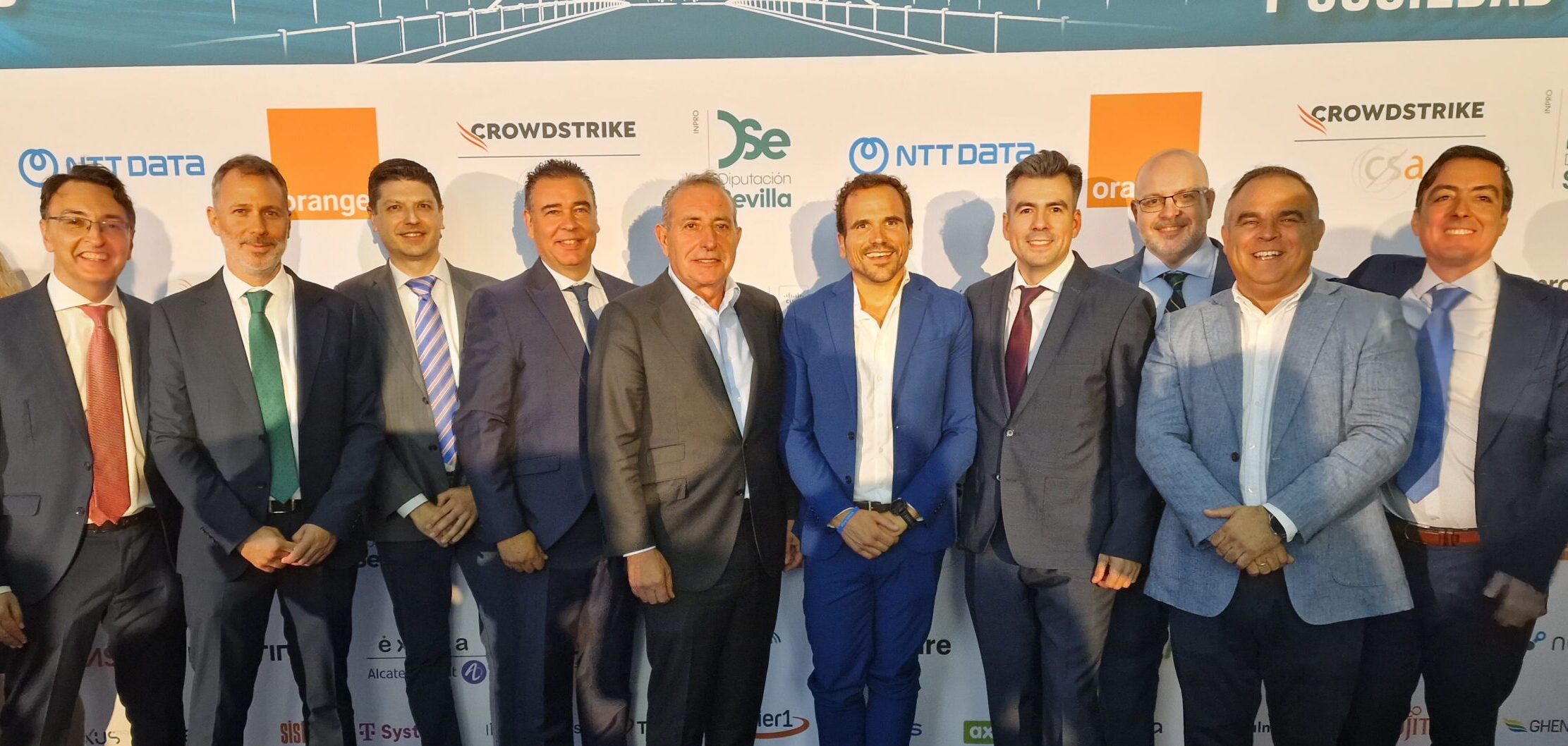
Magtel supports the 24th edition of the Telecommunications and Information Society Night

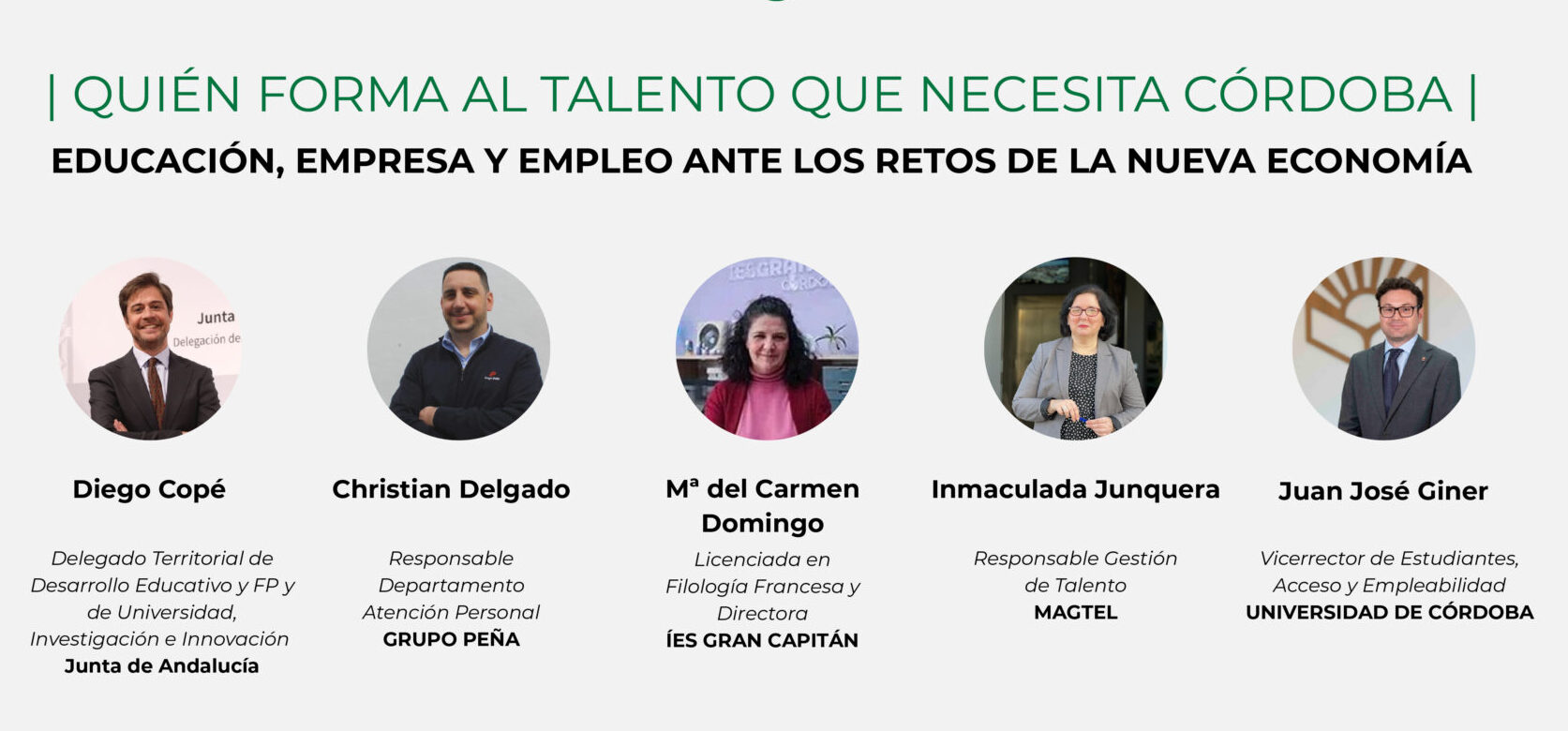
Magtel addresses talent challenges as a strategic driver for the company


