

Magtel: technological innovation for the protection of the iberian lynx
Magtel submitted to the CDTI (Center for Industrial Technical Development) a research and development project called Lynx that seeks to implement artificial vision techniques for the identification, recognition and tracking of the Iberian Lynx in a special environmental interest zone, such as the Guadimar Green Corridor.
[inline_divider type=”1″]
Magtel will contribute its experience in the field of telecommunications and renewable energies by undertaking the design, development and deployment of the communication system between devices, as well as the implementation of solutions in energy self-supply based on clean energies, that enable a high degree of autonomy to be given to the captured units.
The Integrated Systems Engineering group belonging to the Department of Electronic Technology of the University of Málaga will collaborate in this project. This group will contribute its experience in the fields of image processing, pattern recognition and embedded electronic sensor systems.
The purpose of this system, developed by Magtel, is to track protected species in special environmental interest zones through the application of technologies that do not interfere in the fauna’s natural activity. This project proposes the technological development of a fully automated detection, identification and tracking system for Iberian Lynx samples, based on artificial vision and capable of sending collected data to a remote processing centre.
The project will need a series of ad hoc developers. Firstly, the research and development of lynx detection algorithms in images captured in their natural environment. Image processing algorithms will be developed that are capable of detecting the presence of Iberian lynxes. As an additional advantage, these very algorithms will enable the animal to be isolated from the rest of the elements present in the image.
Secondly, the automation of the unique identification of Iberian lynxes in images captured in their natural environment. Artificial image processing algorithms required for the unique automatic identification of each of the samples detected will be developed.
A new image acquisition platform will be developed for protected species. The aim will be to optimise the design of capture units in order to photograph animals of a certain species only by cropping the image of the zone where the sample is located, thereby minimising both the amount of images stored and their size, and providing them with communication with a remote centre.
This system will require the deployment of a distributed capture unit infrastructure and a communications system that respects the natural environment.
The project is led by Antonio Jesús Palomino López.
Antonio, a member of the team of researchers that comprises the R&D&i Division of Magtel, is a Senior Telecommunications Engineer and graduate of the University of Malaga, with a PhD in Electronic Technology, a Masters in Telecommunications Technology and is also a specialist in Artificial Vision.
The Iberian Lynx
The Iberian Lynx is the only Lynx species that is critically endangered, according to the UICN (International Union for Conservation of Nature). To obtain the information required to calculate all the basic demographic parameters on the Iberian Lynx, two well-known techniques are currently combined: phototrapping and remote tracking using tracking collars. With regard to phototrapping, the technique seeks to detect samples using photographic cameras located in their habitat with the end intention of capturing actual samples. The technique has been used to study difficult-to-detect species and is also particularly suitable for those that can be identified individually by their visually perceptible features, such as felines that, like tigers, leopards or the Iberian Lynx itself, have speckled fur. In these cases, the photographs taken will have the double mission of detecting and identifying the sample.
Nonetheless, existing commercial solutions to date are very general. This project focuses on the detection of specific species and considers processing capacity in order to differentiate between species or to make up communication networks that enable such images to be shared with remote centres.
Support received from LIFE-IBERLINCE
The office of the LIFE+IBERLINCE project for the recovery of the historical distribution of the Iberian lynx (Lynx pardinus) in Spain and Portugal collaborates with the project by providing assistance from biologists that are experts on the Iberian lynx and knowledge and experience in the visual identification of specimens. Furthermore, this organisation will provide a catalogue of images of the Iberian lynx, both in freedom and in captivity, for the correct implementation of the artificial vision system.
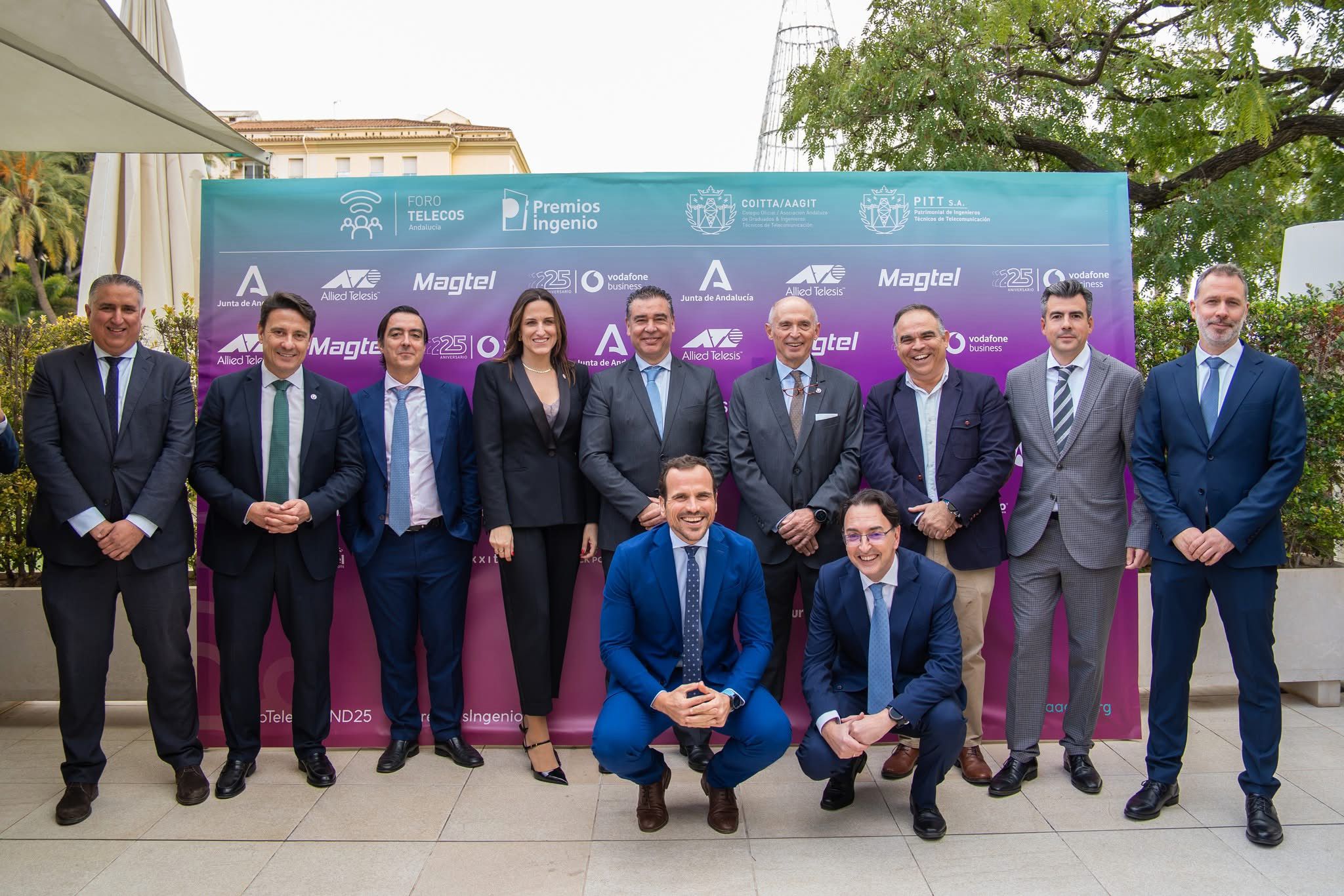
Magtel Sponsors a New Edition of the Telecos Andalucía Forum 2025

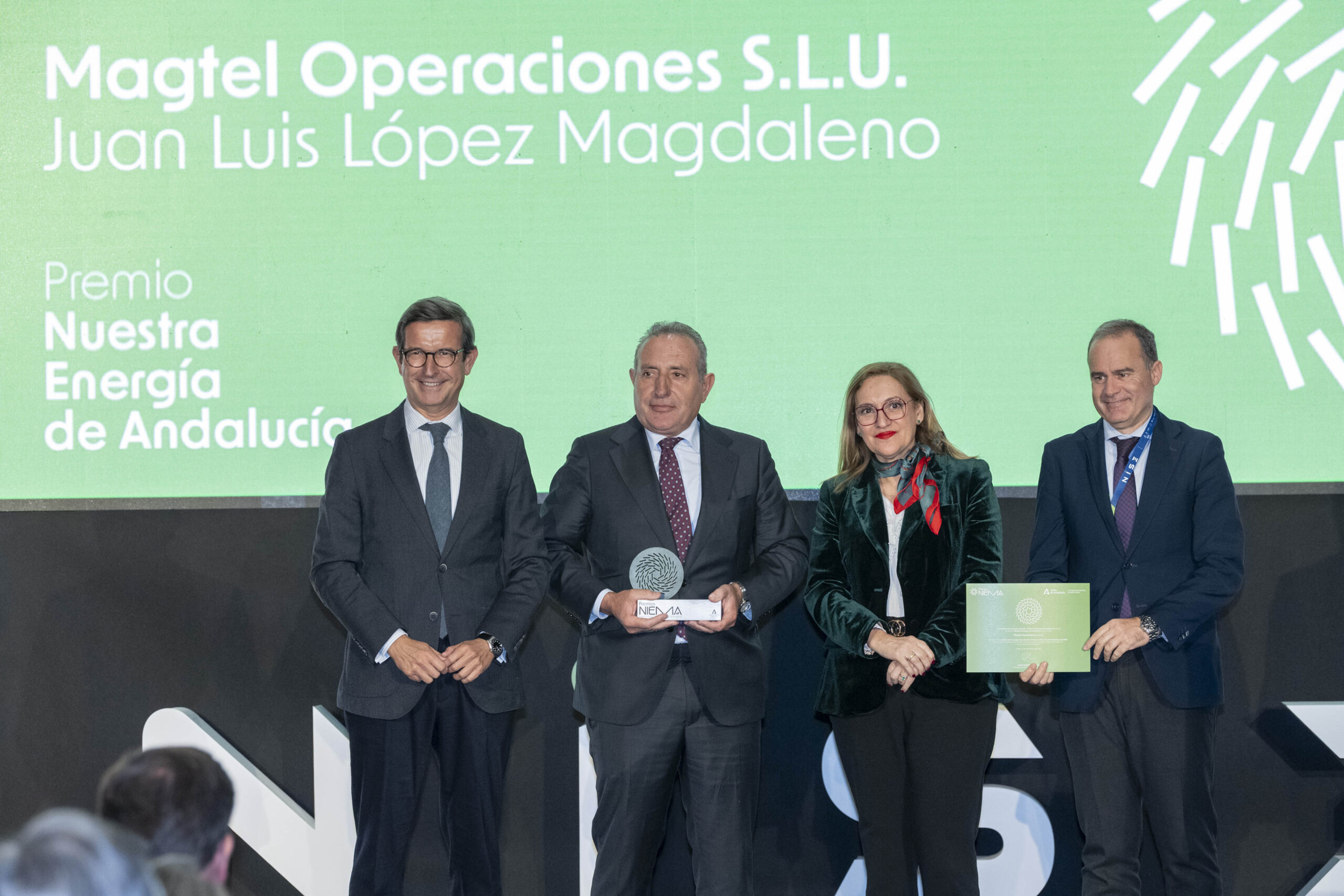
Magtel Awarded by the Andalusian Regional Government with the ‘Our Energy’ Prize for Its Contribution to the Energy Transition


